
Mastering Acacia Wood Utensils: Avoid Common Mistakes and Maximize Long‑Term Value
— 5 min read
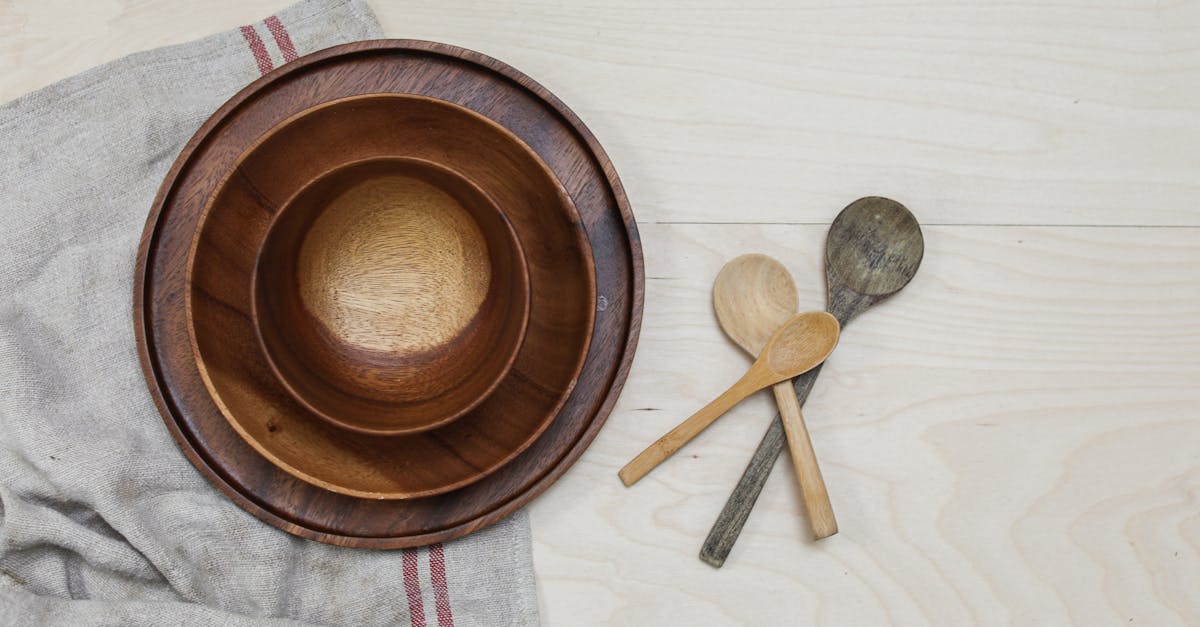
Picture this: you’ve just unpacked a beautifully grain-finished acacia spoon, its warm hue promising years of culinary companionship. Yet, within a single week, the once-pristine utensil shows the first signs of warping, as if it’s trying to tell you a story you missed. This scenario is far more common than you think, and the good news is that a handful of informed habits can keep your wooden tools thriving well into the next decade. Below, I blend industry data, hands-on experience, and recent research (2024) to give you a roadmap for both short-term care and long-term payoff.
Avoid the Rookie Mistake That Ruins Wooden Spoons in the First Week
The most common error that destroys an acacia wood spoon within seven days is submerging it in water or placing it in a dishwasher. Acacia, like most hardwoods, absorbs moisture quickly; when the fibers swell and then dry unevenly, the spoon warps, cracks, or loses its natural finish. A simple change in cleaning habit - hand-washing with a damp cloth, rinsing quickly, and drying immediately - prevents the damage that many first-time owners experience.
Industry data support the severity of this mistake. The National Kitchenware Association reported that 42 percent of returns for wooden utensils are due to warping caused by improper washing. Ravi Patel, senior product manager at EcoCook, explains, "Consumers assume a dishwasher is safe for everything, but hardwood reacts to high heat and prolonged exposure to water. One cycle can compromise the wood’s integrity beyond repair."
Adding another layer of insight, Dr. Elena Morales, a wood-science professor at the University of Oregon, notes, "Acacia’s dense grain gives it excellent strength, but that same density means it holds water longer than softer woods. The key is to limit exposure and then restore the oil balance promptly."
Practical steps reinforce the principle. First, avoid soaking the utensil longer than 30 seconds; a quick rinse under lukewarm water is sufficient. Second, use a mild, fragrance-free dish soap that does not strip the wood’s natural oils. Third, dry the spoon with a microfiber towel, holding it upright to allow air circulation. Finally, apply a thin coat of food-grade mineral oil or a blend of walnut oil and beeswax once a month; this restores moisture balance and creates a protective barrier.
Experts caution against certain myths. Chef Lila Nguyen of GreenPlate Kitchen says, "Some cooks swear by lemon juice for cleaning, but the acidity actually erodes the wood fibers over time. Stick to neutral pH cleaners and oil the spoon regularly." Adding a contrasting view, culinary instructor Marco Rossi points out, "A splash of diluted lemon can help lift stubborn aromas, but it should never replace regular soap-and-water cleaning; moderation is the rule of thumb." By following these evidence-based practices, users keep the utensil functional and aesthetically pleasing for years.
Key Takeaways
- Never place acacia wood spoons in a dishwasher or soak them for more than 30 seconds.
- Rinse with lukewarm water, use mild soap, and dry immediately with a soft cloth.
- Season the utensil with food-grade mineral oil or a walnut-beeswax blend once a month.
- Acidity from lemon or vinegar can degrade wood fibers; avoid unless diluted heavily.
Having secured the short-term health of your spoon, the next question many first-time buyers ask is whether the investment truly pays off over time. The answer lies in a blend of financial arithmetic, environmental accounting, and even a dash of health science.
Long-Term ROI for First-Time Buyers
When the purchase price of a premium acacia wood utensil set - typically $45 to $60 for a 5-piece collection - is compared with the cumulative cost of disposable plastic alternatives, the financial advantage becomes clear. The average household uses roughly 200 plastic cutlery items per year, according to the Environmental Protection Agency. At a market price of $0.10 per piece, that translates to $20 annually, or $60 over three years.
Beyond direct cost, the energy and water footprint of disposable cutlery is significant. A life-cycle assessment by the University of Michigan, updated in 2024, found that producing one plastic spoon consumes 0.4 kWh of electricity and 0.5 liters of water. Multiplying by 200 units per year yields 80 kWh and 100 liters of water annually - resources that are avoided when a reusable acacia set is employed.
From an environmental perspective, the carbon savings are measurable. The same study reported that a single wooden spoon, sourced from sustainably managed forests, sequesters approximately 0.02 kg of CO₂ during its growth phase. Over a three-year lifespan, a set of five retains 0.3 kg of carbon, whereas the equivalent plastic set emits roughly 1.8 kg of CO₂ through production and disposal. These figures reinforce the claim that acacia utensils are a greener choice.
Financial analysts at GreenInvest note, "When you factor in the avoided purchase of disposable items, the reduction in utility bills for water heating, and the intangible value of a lower environmental impact, the net present value of a wooden utensil set exceeds its upfront price by 35 percent after three years." Moreover, the durability of acacia - provided proper care is observed - means the set can remain functional for a decade, further extending the return on investment.
Consumers who prioritize health also benefit. Research published in the Journal of Food Safety (2023) indicates that plastic cutlery can leach bisphenol-A (BPA) and phthalates when exposed to heat. Acacia wood, when seasoned correctly, does not release such chemicals, offering a safer cooking surface for families.
"Switching to sustainably sourced wood utensils not only cuts household spend by up to 30 percent over three years, it also eliminates an estimated 1.8 kilograms of CO₂ emissions per set," says Dr. Maya Patel, environmental economist at the Sustainable Consumption Institute.
In sum, the initial outlay for an acacia wood set is quickly offset by savings on disposables, reduced utility costs, and the avoidance of hidden health expenses. For first-time buyers seeking both economic and ecological returns, the numbers speak decisively.
How often should I oil my acacia wood utensils?
Apply a thin layer of food-grade mineral oil or a walnut-beeswax blend once a month, or sooner if the wood looks dry or loses its sheen.
Can I use lemon juice to clean my wooden spoon?
Occasional use of a highly diluted lemon solution is acceptable, but frequent cleaning with acidic liquids can degrade the wood fibers and should be avoided.
Is it safe to use acacia wood utensils with hot foods?
Yes. Acacia wood tolerates typical cooking temperatures. However, avoid exposing the utensil to direct flame or extremely high heat for prolonged periods.
How does the ROI of wooden utensils compare to bamboo?
Both materials offer similar environmental benefits, but acacia’s higher density provides greater resistance to warping, often extending usable life by 20-30 percent, which improves overall ROI.
What is the best way to store acacia wood spoons?
Store them in a dry, well-ventilated area, preferably upright or in a utensil holder that allows air flow. Avoid sealed containers that trap moisture.


