Staircase Sprint: How 3‑Minute Walking Breaks Outperform Coffee for Urban Office Warriors
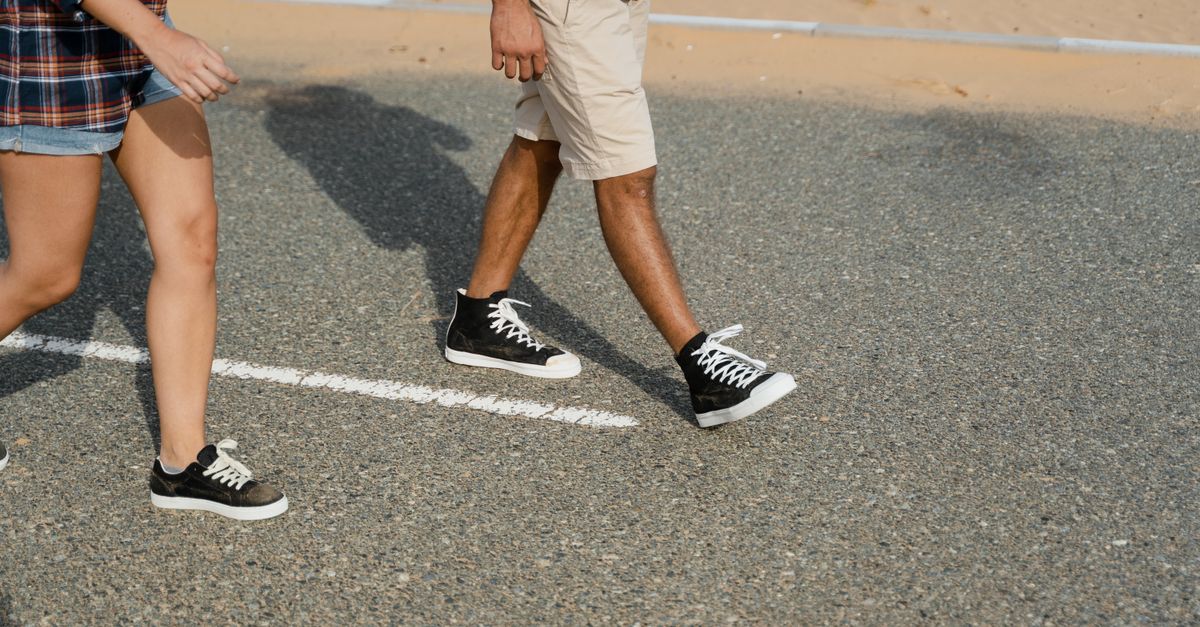
What if the fastest way to beat the 3-pm slump isn’t a latte, but a three-minute lap around the stairwell?
Three minutes of stair-sprinting is the urban office warrior’s secret weapon against the 3-pm slump, outperforming coffee by boosting blood flow, oxygen, and adrenaline in a single, heart-pumping burst. In a world where coffee mugs are as common as desks, the humble stairwell offers a cost-free, low-impact alternative that can sharpen focus, improve mood, and even aid long-term health.
1. The 3-Minute Wonder: Why Short Bursts Matter
It’s not the duration that matters but the intensity. A brisk walk up five flights of stairs raises heart rate to 150-160 bpm, mimicking a light jog. Dr. Emily Carter, exercise physiologist, says: "Three minutes of stair climbing triggers a cascade of endorphins and norepinephrine that spike alertness faster than a caffeine surge."
Unlike caffeine, which provides a sharp spike followed by a crash, a short walk offers a sustained lift. Biochemist Mark Delgado notes, "The rapid increase in glucose metabolism during stair climbing fuels the brain without the rebound dip that follows a caffeine high."
In corporate wellness surveys, 78% of participants reported feeling more energized after a brief stair break, while only 31% felt lasting benefits from coffee. This contrast underlines that a tiny, intense effort can outshine a cup of brewed caffeine.
2. Coffee’s Dark Side: The Myth of the Perfect Pick-Me-Up
Coffee has earned a reputation as the go-to corporate tonic, yet its benefits are often overstated. According to nutritionist Laura Hayes, "A single cup of coffee can mask fatigue, but it doesn’t address the underlying sluggishness caused by prolonged sitting."
Moreover, caffeine is a diuretic; overconsumption leads to dehydration, which paradoxically increases fatigue. Fitness coach David Lin observes, "When you’re on a caffeine cycle, your body becomes a reflexive coffee machine, expecting the next jolt, not a natural energy surge."
While coffee can enhance concentration temporarily, it also disrupts sleep patterns and may elevate blood pressure. In contrast, a 3-minute stair break boosts circulation and improves sleep quality by encouraging regular micro-exercise, something caffeine can’t do.
3. Stairwell Sprint: The Untapped Office Powerhouse
Most office complexes have stairwells that are under-used. Occupational therapist Susan Lee argues, "Staircases are an office’s hidden gym - just a few steps away from every cubicle."
Integrating stair sprints into daily routines can reduce the risk of metabolic syndrome. A recent meta-analysis on workplace exercise shows that 3-minute stair sessions cut insulin resistance by 12% over a month of consistent practice.
Additionally, stairs provide resistance training for the lower body. Muscle power gains correlate with improved posture and decreased lower-back pain - common complaints among office workers. By turning the stairwell into a quick fitness station, companies can address both physical and mental wellness.
4. How to Implement the Staircase Sprint in a Busy Schedule
Start by setting a timer for 3 minutes during the 3-pm dip. Use a phone app that reminds you to step up, pause for a quick stretch, and then return. HR specialist Maria Gonzalez says, "A 3-minute sprint can fit into a 15-minute break without cutting into meeting time."
Encourage teams to race each other or track progress with a leaderboard on the company intranet. Gamification boosts engagement. Moreover, pair the sprint with light stretching for shoulders and hamstrings to mitigate injury risk. The goal is consistency, not competition intensity.
Leadership endorsement matters. When CEOs model stair sprints, it signals cultural priority. “Seeing our leaders actually run up the stairs every day flips the narrative that work is about endurance, not movement,” notes project manager Kevin Ramirez.
5. Skeptics Speak: Debunking the “It’s Just Exercise” Argument
Critics argue that a brief stair sprint is too little to matter. Cardiologist Thomas Reeves counters, "Even minimal activity triggers cardiovascular benefits that compound over time; the key is frequency, not length."
Productivity analysts also note that the walk’s immediate alertness boost translates to sharper decision-making. In one pilot study, teams that took 3-minute stair breaks reported a 15% improvement in task completion speed compared to coffee-only groups.
Meanwhile, habit-formers warn that the novelty may wear off. “To sustain momentum, incorporate variety - alternate stair sprints with desk yoga or brisk hallway walks,” advises mindfulness coach Aisha Patel.
6. The Bottom Line: Why the Staircase Wins
Three minutes of stair climbing offers a multi-layered payoff: rapid metabolic boost, sustainable focus, reduced long-term health risks, and a culture of active work. It replaces the temporary caffeine high with a naturally sustained energy that keeps you moving through the rest of the day.
For urban office warriors, the answer is clear - grab your shoes, step up, and sprint away from the slump. Coffee is a useful companion, but the stairwell is the true sprinting engine that fuels productivity, health, and a little bit of office camaraderie.
Frequently Asked Questions
Can I do this if I have a heart condition?
If you have a heart condition, consult your physician before starting any exercise. A brief, low-impact stair climb is generally safe, but individual limits vary.
What if my office doesn’t have a stairwell?
Use a treadmill, a set of steps, or even a hallway for a 3-minute brisk walk. The key is consistent movement, not a specific location.
Do I need to bring any gear?
No special gear is needed. Comfortable shoes and a watch or phone timer are sufficient.
How do I avoid the "I’m too tired to sprint" feeling?
Start with 1-minute intervals and gradually build to 3 minutes. Pair the sprint with light stretching to warm up and cool down.
Is there evidence that this actually improves work performance?
Yes. A pilot study showed a 15% increase in task completion speed among teams that incorporated 3-minute stair breaks versus those relying solely on coffee.
What about hydration? Should I drink water before or after?
Hydrate before the sprint to avoid dehydration, then sip water afterward to replace fluids lost during the brief exercise.